Post By-Bridges Cochran
If you're contemplating SMILE eye surgical procedure, contemplate this: are you prepared to embrace possible visual liberty, or does the idea of any dangers make you think twice? Your decision will certainly hinge on a cautious equilibrium of weighing the advantages versus the unpredictabilities. It's crucial to dig much deeper right into the subtleties of SMILE surgical procedure to make an enlightened choice that lines up with your aesthetic goals.
Comprehending SMILE Eye Surgical Procedure
When taking into consideration SMILE Eye Surgical treatment, it's important to comprehend the treatment and its benefits. helpful site , which represents Little Laceration Lenticule Extraction, is a minimally intrusive laser eye surgical treatment that corrects common vision problems like nearsightedness (nearsightedness).
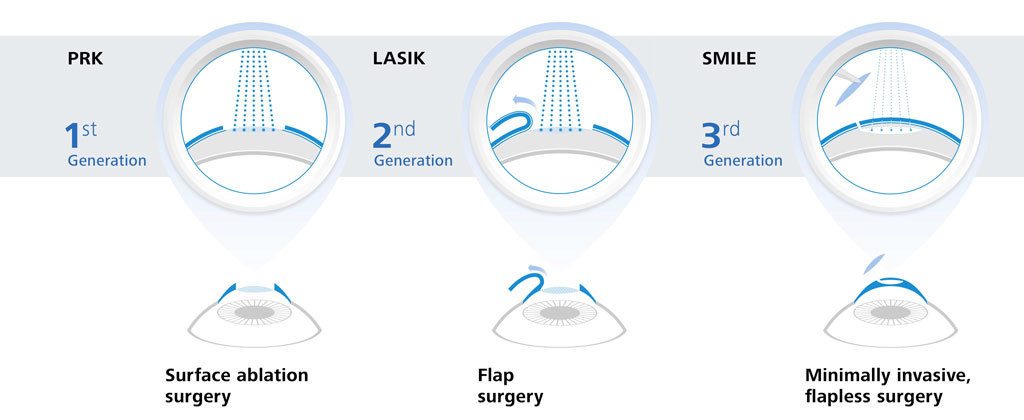
Throughout the treatment, your eye specialist will utilize a femtosecond laser to produce a small cut in your cornea. With this incision, a small disc of tissue called a lenticule is eliminated, reshaping the cornea and remedying your vision.
One of the essential benefits of SMILE Eye Surgical treatment is its quick recuperation time. Numerous people experience improved vision within a day or more after the procedure, with marginal discomfort.
Additionally, SMILE is understood for its high success rate in offering long-term vision adjustment. Unlike LASIK, SMILE doesn't need the creation of a flap in the cornea, reducing the risk of problems and allowing for a much more steady corneal structure post-surgery.
Recognizing the procedure and its benefits is crucial when taking into consideration SMILE Eye Surgery for vision modification.
Advantages and disadvantages of SMILE
Considering SMILE Eye Surgery for vision improvement includes numerous advantages and potential downsides.
One of the major pros of SMILE is its minimally invasive nature, as it includes a tiny cut and normally results in fast recuperation times. The treatment is additionally recognized for creating very little pain and completely dry eye symptoms post-surgery compared to other vision correction techniques. Additionally, SMILE has been shown to provide excellent visual results, with lots of people accomplishing 20/20 vision or far better.
On the other hand, a potential con of SMILE is that it may not be suitable for individuals with severe refractive errors, as the treatment range is rather limited contrasted to LASIK. One more consideration is that the learning curve for doctors implementing SMILE can influence the schedule of seasoned companies in certain areas.
http://neta3rana.jigsy.com/entries/general/The-Results-Of-LASIK-Surgical-Treatment-On-Sports-Insights-From-Personal-Stories is very important to evaluate these advantages and disadvantages meticulously when deciding if SMILE is the right choice for your vision correction requirements.
Establishing Eligibility for SMILE
To determine if you're eligible for SMILE eye surgical procedure, your optometrist will certainly conduct an extensive examination of your eye health and vision requirements. Throughout this assessment, variables such as the stability of your vision prescription, the thickness of your cornea, and the total health of your eyes will be evaluated.
Generally, prospects for SMILE more than 22 years of ages, have a stable vision prescription for a minimum of a year, and have healthy corneas without problems like keratoconus.
Your optometrist will additionally consider your overall eye health and wellness, any kind of existing eye conditions, and your lifestyle requires to determine if SMILE is the appropriate choice for you. It's essential to communicate any kind of particular visual requirements or issues you may have throughout this analysis to guarantee that the treatment lines up with your expectations.
If you aren't eligible for SMILE, your ophthalmologist might suggest different vision improvement choices that much better match your specific requirements and eye health status.
Final thought
Ultimately, choosing whether SMILE eye surgical procedure is right for you requires cautious factor to consider of your specific eye health and wellness and aesthetic needs. Consult with your ophthalmologist to establish your qualification for the treatment and evaluate the potential advantages and downsides. Keep in mind to connect any type of concerns or inquiries you may have throughout the evaluation process to make an informed choice regarding your vision improvement options.